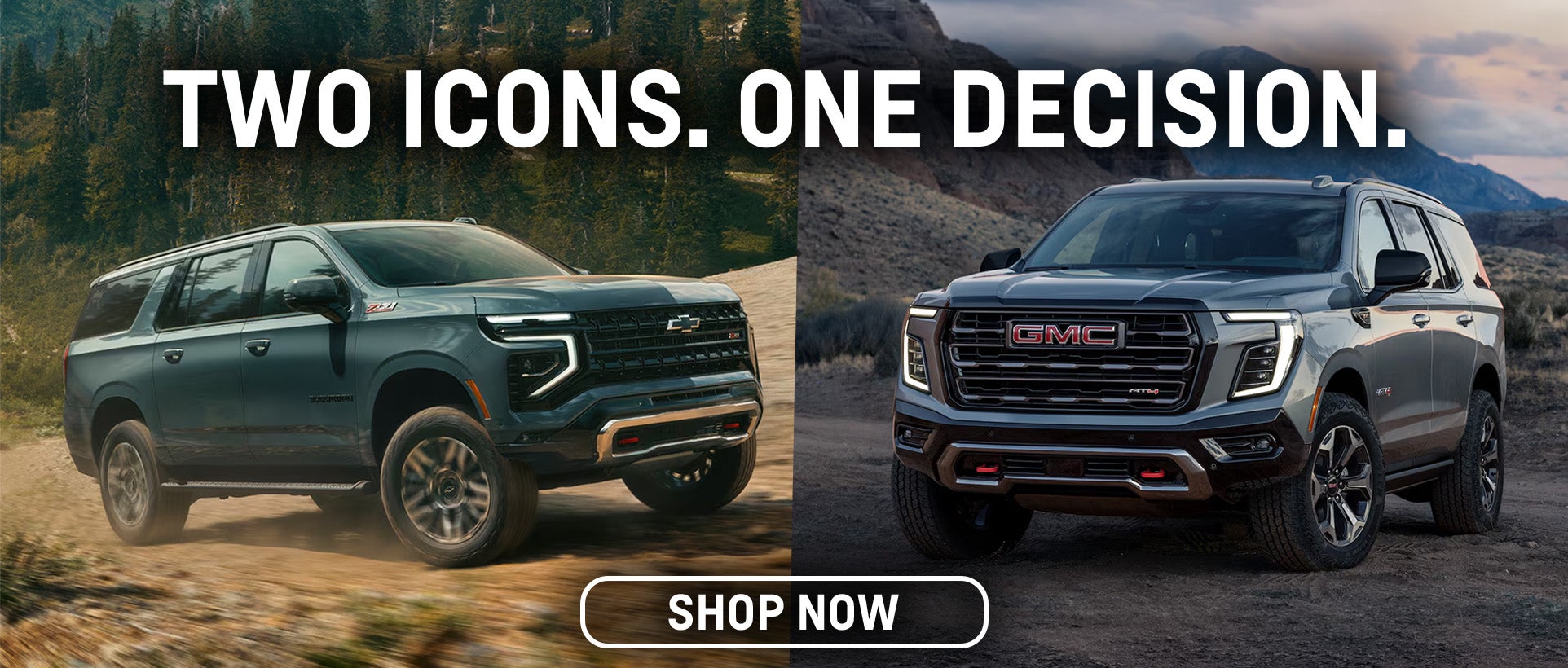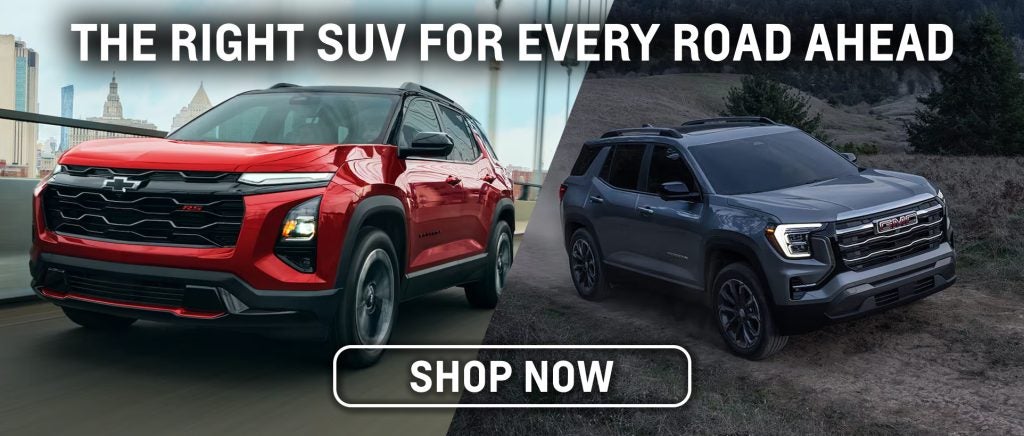






A Side-by-Side Comparison
Choosing between the Chevy Tahoe vs. GMC Yukon often comes down to one key question: do you prioritize maximum value and capability, or are you willing to spend more for a slightly more premium presentation? As two of the most popular full-size SUVs on the market, the Chevy Tahoe and GMC Yukon continue to attract families, adventurers, and towing enthusiasts who need three-row seating, impressive capability, and modern technology without stepping into luxury-brand territory.
This Chevy Tahoe vs. GMC Yukon comparison examines the areas that matter most to buyers, including performance, technology, comfort, cargo space, towing capability, and ownership costs. If you're researching the difference between the Chevy Tahoe and the GMC Yukon, you'll find that both SUVs share many of the same GM engineering foundations, but they differ in pricing, trim-level offerings, styling, and available features.
Many shoppers also compare Chevy Tahoe vs. GMC Yukon reliability, as both models have built strong reputations for durability and long-term dependability. While the similarities are significant, the details of each lineup can make a meaningful difference depending on your budget and priorities. In this comparison, we'll break down the strengths of each SUV and help you determine which model is the better fit for your lifestyle. Head to Preston Chevrolet of Aberdeen to view the winner in this SUV comparison!

Pricing And Value: Chevy Tahoe vs. GMC Yukon
The Chevy Tahoe and GMC Yukon ride on shared GM architecture, so buyers are often paying for presentation differences more than capability differences. That matters because the GMC Yukon usually commands a premium for its branding, interior materials, and option structure rather than for a fundamentally different ownership mission. The Chevy Tahoe hits the value sweet spot for shoppers who want towing, three-row usability, and strong road-trip comfort without stepping into premium-badge pricing. Insurance, tires, fuel use, depreciation, and maintenance costs can all influence the final math, but the lower typical buy-in gives the Chevy Tahoe a practical edge before ownership even begins.
Category winner: Chevy Tahoe — It usually delivers the same core SUV fundamentals for less money.
Trims And Features: Chevy Tahoe vs. GMC Yukon
A fair comparison means matching equivalent trims, not lining up a base Chevy Tahoe against a loaded GMC Yukon. Once you compare similar packages, the GMC Yukon often adds premium-feeling touches, but the Chevy Tahoe usually keeps the more rational price for family essentials like seating flexibility, cargo management, and available hands-free liftgate convenience. For most households, the smarter move is to prioritize safety and comfort equipment before appearance upgrades. The Chevy Tahoe makes that easier because its trim ladder feels more mainstream and less tied to premium packaging, helping budget-capped buyers avoid paying extra for features that don't change daily utility.
Category winner: Chevy Tahoe — Its trim strategy usually makes feature prioritization easier for real-world family buyers.
Performance and Powertrains: Chevy Tahoe vs. GMC Yukon
The Chevy Tahoe and GMC Yukon share many of the same powertrain options, resulting in remarkably similar performance, towing capability, and overall driving dynamics. Depending on the model year and trim level, both full-size SUVs offer a choice of V8 engines and an available Duramax® turbo-diesel engine, giving buyers flexibility to prioritize power, efficiency, or towing performance.
When comparing these SUVs, the decision often comes down to your specific needs. Daily commuters may appreciate the fuel-saving benefits of the available diesel engine, while those who frequently tow boats, campers, or trailers should pay close attention to towing packages, drivetrain configurations, and axle ratios rather than focusing solely on horsepower figures.
Chevy Tahoe Performance
The Chevy Tahoe combines strong capability with refined engineering. Standard models are powered by a 5.3L EcoTec3 V8 engine with Dynamic Fuel Management, producing 355 horsepower and 383 lb.-ft. of torque. of torque and paired with a 10-speed automatic transmission. Buyers seeking additional performance can opt for the available 6.2L EcoTec3 V8, which delivers 420 horsepower and 460 lb.-ft. of torque, or the available 3.0L Duramax® Turbo-Diesel engine that generates 305 horsepower and an impressive 495 lb.-ft. of torque.
Beyond engine choices, the Chevy Tahoe benefits from an independent rear suspension that improves ride quality, enhances cargo flexibility, and creates a more comfortable third-row seating experience. Its bold exterior styling, LED lighting, available AutoSense Power Liftgate, and multiple wheel options further contribute to its modern appeal.
GMC Yukon Performance
The GMC Yukon and GMC Yukon XL offer nearly identical engine options. The standard 5.3L V8 produces 355 horsepower and 383 lb.-ft. of torque, while the available 6.2L V8 increases output to 420 horsepower and 460 lb.-ft. of torque for stronger acceleration and towing capability. Buyers looking for a balance of efficiency and low-end torque can choose the available 3.0L Duramax® Turbo-Diesel engine. The GMC Yukon complements its capability with a bold exterior design that features distinctive styling elements, premium LED lighting, a signature grille, and available 22-in. wheels. Higher trim levels emphasize luxury while maintaining the power and versatility expected from a full-size SUV.
Category Winner: Tie — Because the Chevy Tahoe and GMC Yukon share the same engine lineup and similar performance capabilities, neither SUV holds a significant advantage. The best choice depends on whether you prioritize value-focused capability or premium styling and luxury features.
Interior Comfort And Space: Chevy Tahoe vs. GMC Yukon
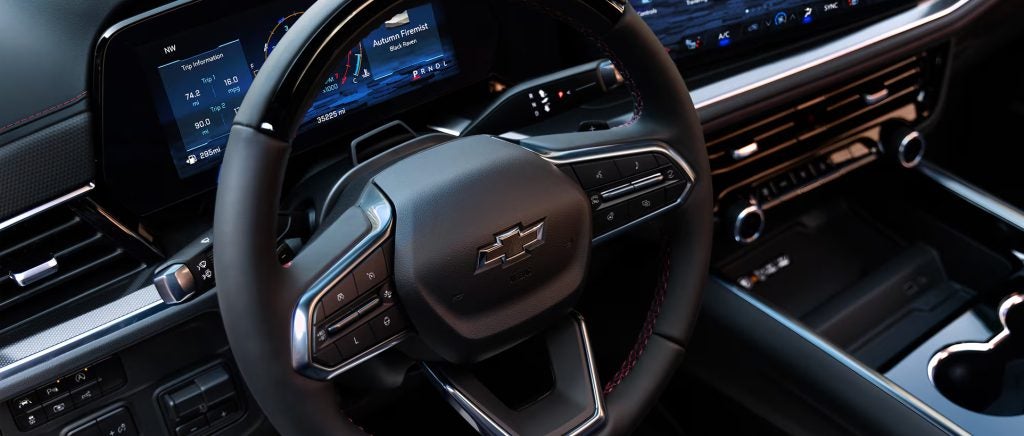
The Chevy Tahoe and GMC Yukon both offer generous third-row seating by full-size SUV standards, but perceived seat comfort depends heavily on trim, upholstery, and wheel choice. The GMC Yukon usually feels richer on comparable trims, while the Chevy Tahoe feels more purpose-built for family use, especially when cargo practicality matters as much as appearance. If you need more room behind the third row, the real upgrade path is not trim level but wheelbase.
Technology and Infotainment: Chevy Tahoe vs. GMC Yukon
The Chevy Tahoe and GMC Yukon both offer impressive technology designed to keep drivers informed, entertained, and connected. Each SUV features intuitive touchscreen infotainment systems, wireless Apple CarPlay®, Android Auto™, multiple USB ports, and available conveniences such as Wi-Fi hotspot capability and rear-seat entertainment systems. Because many features are tied to trim levels and option packages, the overall technology experience can vary more by configuration than by brand.
Driver Assistance and Safety Technology
The Chevy Tahoe comes standard with Chevy Safety Assist, a collection of driver-assistance technologies that includes Automatic Emergency Braking, Forward Collision Alert, Lane Keep Assist with Lane Departure Warning, and additional safety features. Available upgrades include Adaptive Cruise Control, Rear Pedestrian Alert, HD Surround Vision, and Super Cruise® hands-free driver assistance on compatible highways for added convenience.
The GMC Yukon also offers a comprehensive suite of advanced safety technologies and available driver-assistance features. Premium trims such as the GMC Yukon Denali and GMC Yukon Denali Ultimate elevate the experience with exclusive interior appointments, upscale materials, and available Super Cruise® technology. The GMC Yukon further enhances connectivity with Google built-in, wireless Apple CarPlay®, and Android Auto™ integration.
Since technology and safety equipment can vary by model year and trim level, it's important to compare specific vehicles when shopping. While both SUVs offer a strong mix of connectivity, convenience, and driver-assistance features, the Chevy Tahoe delivers many of the same core technologies at a more accessible price.
Category Winner: Chevy Tahoe — Offering comparable infotainment features, advanced safety technology, and stronger overall value, the Chevy Tahoe earns the edge for most SUV shoppers.
Ride, Handling, And Everyday Usability: Chevy Tahoe vs. GMC Yukon
Ride comfort in both SUVs depends heavily on suspension setup, tire choice, and wheel size, which means a smaller-wheel model can feel better than a flashier trim with larger rims. The Chevy Tahoe usually comes across as the more straightforward daily driver, while the GMC Yukon can feel slightly more polished when equipped for comfort. Visibility tools like parking sensors, 360-degree cameras, and rear-view displays matter because these are large vehicles first and style statements second. A test drive should include low-speed bumps, highway noise, braking feel, turning behavior, and your actual car seats or cargo, since usability is where full-size SUVs either justify themselves or become frustrating.
Category winner: Chevy Tahoe — It is usually the easier do-it-all choice for everyday household use.
Chevy Tahoe vs. GMC Yukon Reliability, Ownership Costs, And Resale
Because both models come from the same corporate family, service access and core maintenance expectations are broadly similar. The bigger ownership variables are maintenance costs tied to trim complexity, wheel-and-tire replacement, brake wear, fuel spend, and the quality of your local dealer service department. Resale discussions often favor one model or the other depending on local demand, but market comps matter more than internet arguments. A well-bought Chevy Tahoe often holds its value better in practice because starting at a lower purchase price reduces the premium a used buyer must justify later.
Category winner: Chevy Tahoe — Similar fundamentals plus lower typical ownership exposure make it the safer value bet.
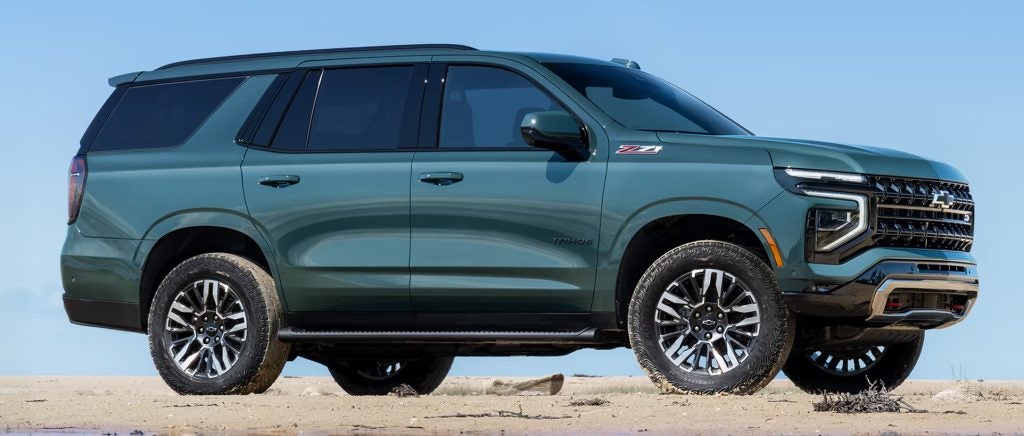
Decision Framework: When To Choose Chevy Tahoe vs. When To Choose the GMC Yukon
Choose Chevy Tahoe if:
- You want the best value on a full-size GM SUV with similar core capability.
- You prefer a broader mainstream trim mix and easier package selection.
- You would rather spend on safety tech or towing features than on premium branding.
- You want a practical family SUV first and a status statement second.
Choose the GMC Yukon if:
- You prioritize a more premium interior look and feel on comparable trims.
- You prefer GMC styling and feature packaging.
- You want upscale touches without stepping into a luxury badge.
Final Verdict
For most shoppers, the Chevy Tahoe is the better buy because it delivers the same essential full-size SUV strengths with a stronger value case and fewer pricing penalties. The GMC Yukon is the right answer only if a premium cabin feel and brand presentation matter enough to justify the extra spend.
FAQs
Why do GMC Yukons cost more than Chevy Tahoes?
The GMC Yukon usually costs more because GMC positions it as more premium, often with different standard equipment, richer materials, and pricier packaging. The extra cost often reflects presentation and features, not a completely different SUV.
Are the GMC Yukon and Chevy Tahoe the same size?
They are very close in size because they share the same full-size SUV class and much of the same architecture. Exact dimensions may vary slightly by model year, trim, and wheelbase.
Is the GMC better than the Chevy Tahoe?
Neither is universally better. The GMC Yukon usually wins on premium feel, while the Chevy Tahoe usually wins on value and similar capability for less when you compare equivalent trims.
SHOP NOW